
Advocate Mohammad Kamran
- 10+ Years of Legal Experience
- Enrolled with the Bar Council of Uttar Pradesh
- Certificate of Practice holder
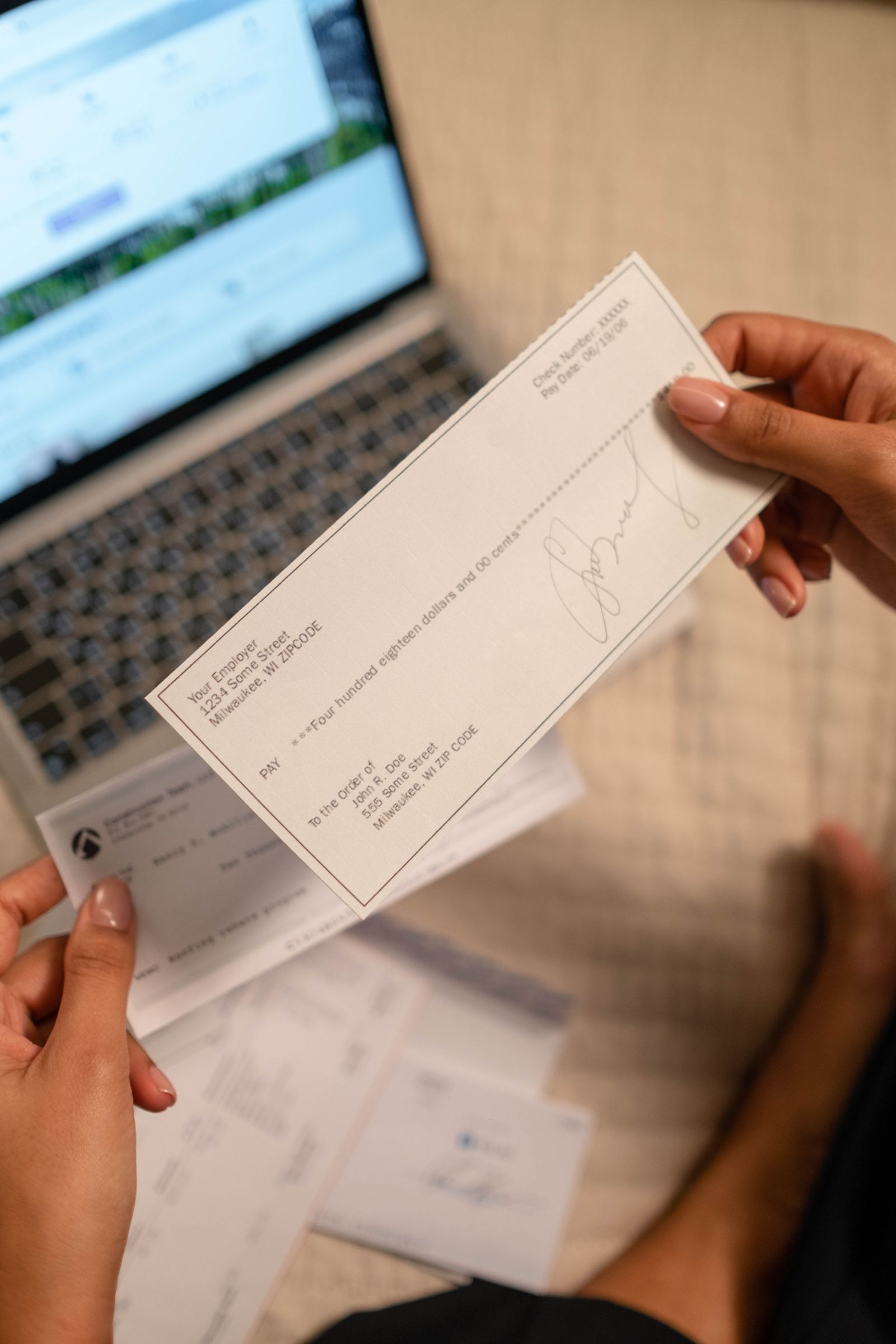
The statutory demand notice that must go out after dishonour, and on which the whole of the section 138 remedy rests.
Cheque Bounce and Recovery
The demand notice is not a formality or a warning letter. Under section 138 of the Negotiable Instruments Act, 1881 it is a condition of the remedy: the payee must, within the period the Act allows after receiving intimation of dishonour, call on the drawer in writing to pay the cheque amount. Only if the drawer fails to pay within fifteen days of receiving that notice does a cause of action to file a complaint arise at all.
Because so much rests on it, two things matter more than eloquence. The notice must be correct in its contents — identifying the cheque, the amount and the liability, and demanding the cheque amount itself. And it must be despatched in a way that can be proved later, because service is one of the most frequently contested issues in these matters.
Who this may assist
If your situation is not listed, it does not mean it cannot be dealt with. It means it should be discussed.
The return memo has been received and the notice period is running.
More than one cheque has been dishonoured and the notices need to be issued correctly for each.
A notice has already gone out and you want to know whether it is adequate and what follows.
The envelope has returned unclaimed or refused, and you need to know where that leaves you.
Scope
Process
The sequence varies with the facts and the forum. This is the usual shape of it.
The date intimation of dishonour was received is established from the bank record, because the period for the notice runs from it.
Cheque number, date, amount, drawer, drawee bank, the transaction the cheque was issued for, and the demand for payment of the cheque amount.
Registered post with acknowledgement due, and courier or email in addition where appropriate, so more than one record exists.
Postal receipts, tracking printouts, acknowledgements and any returned envelope are retained unopened and filed.
If payment is not made within fifteen days of receipt, the period for filing the complaint begins, and it is counted carefully.
Preparation
Bringing what you have makes the first discussion considerably more useful. Missing items can be obtained later.
Cautions
See also
Reading
General information notes on this area. They are not legal advice.
The practice
Each advocate of the firm is enrolled with the Bar Council of Uttar Pradesh and holds a Certificate of Practice.
Questions
Refusal or non-collection is not necessarily fatal, and the law has developed around exactly this situation. What matters is that the notice was correctly addressed and properly despatched, and that the returned envelope is preserved unopened for production.
Electronic despatch can usefully supplement registered post, and is worth doing, but it should not replace a method that produces a formal record. The safest course is registered post with acknowledgement due, with electronic despatch in addition.
A notice does not have to be sent by an advocate. Whether the one you sent meets the statutory requirements is a different question, and it should be checked against the return memo and the dates before you rely on it.
Part payment within the fifteen-day period raises questions about whether the cause of action has arisen, and it should be dealt with carefully. Keep the record of what was paid and when, and take advice before the period expires.
Where the firm works
The firm's office is in Lucknow. Matters arising in other districts of Uttar Pradesh are conducted from Lucknow before the court, tribunal or authority that has jurisdiction over them. There is no branch office elsewhere. Which forum will hear a particular matter depends on its subject, its value and where the cause of action arose, and is confirmed before anything is filed.
This page is general information about an area of practice. It is not legal advice, and it is not an advertisement or a solicitation of work. Reading it creates no advocate–client relationship.
Procedures, limitation periods, court fees, stamp duty and government charges change, and what applies depends on the facts of the particular matter. Nothing here should be acted on without advice on your own documents, and no outcome is promised or predicted.
Last reviewed:
Contact
Write to the office with a short description of the matter, or telephone during working hours.
Please read before continuing
The full terms are set out in the disclaimer.