Cheque Bounce
For the payee: pursuing a dishonoured cheque from the demand notice through to the complaint and trial.
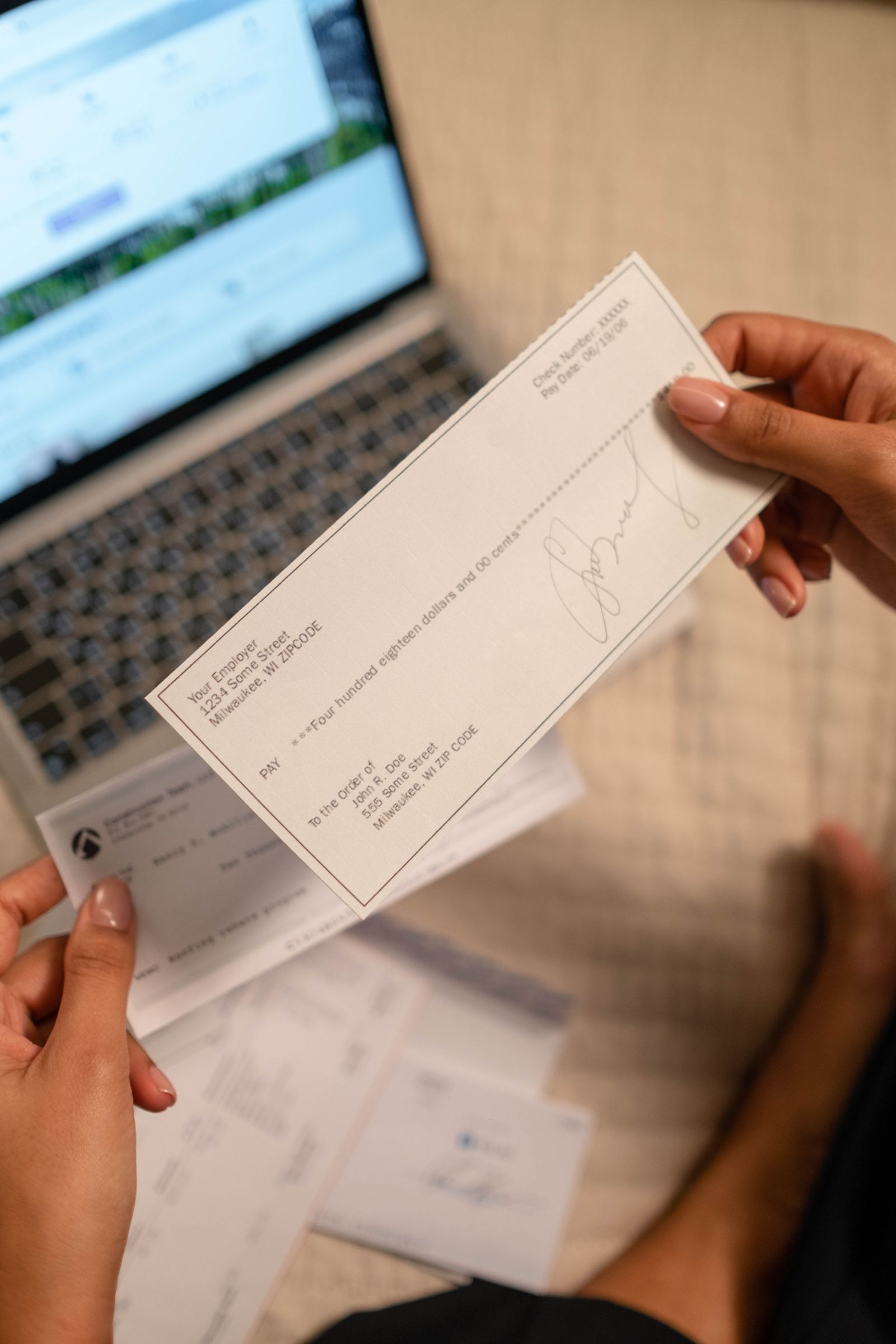
Dishonoured cheques and unpaid dues, handled on both sides — for the payee pursuing the amount, and for the drawer answering a complaint.
Cheque Bounce and Recovery
A dishonoured cheque raises two separate remedies at once. There is a complaint under section 138 of the Negotiable Instruments Act, 1881, which is a criminal proceeding against the drawer; and there is a civil claim for the money itself. They are not alternatives and are frequently pursued together, but they are governed by different procedures and different timelines.
The section 138 route is unusually time-sensitive. The demand notice must go out within a defined period of the bank's intimation of dishonour, the drawer must be allowed a fixed period to pay, and the complaint must be filed within a further fixed period after that. Miss one of those windows and the criminal remedy can be lost even though the debt is undisputed.
Services
Each page below deals with one service and the questions it raises.
For the payee: pursuing a dishonoured cheque from the demand notice through to the complaint and trial.
The statutory demand notice that must go out after dishonour, and on which the whole of the section 138 remedy rests.
For the drawer: answering a cheque-bounce complaint, from the summons stage to trial and appeal.
A formal demand for payment, drafted so that it is useful whether it produces payment or a proceeding.
Questions
Quickly. The scheme under section 138 works on defined periods — a demand notice within thirty days of receiving intimation of dishonour, fifteen days for the drawer to pay, and a complaint within one month after that. The dates are counted from your specific documents, so the return memo and the notice should be looked at without delay.
Yes. A section 138 complaint is a criminal proceeding; recovery of the debt is a civil claim. Running both is common, and which to begin with is a practical decision taken on the facts.
It is frequently argued and is not a complete answer by itself. Much turns on what the cheque was actually issued for and what the documents and correspondence show. It is a defence to be assessed on the papers, not assumed.
Jurisdiction under the Act is tied to the location of the bank branch where the cheque was delivered for collection. The correct court is confirmed from the deposit records before filing, because filing in the wrong place costs time that the timelines do not allow.
The practice
Each advocate of the firm is enrolled with the Bar Council of Uttar Pradesh and holds a Certificate of Practice.

Reading
General information notes on this area. They are not legal advice.
Where the firm works
The firm's office is in Lucknow. Matters arising in other districts of Uttar Pradesh are conducted from Lucknow before the court, tribunal or authority that has jurisdiction over them. There is no branch office elsewhere. Which forum will hear a particular matter depends on its subject, its value and where the cause of action arose, and is confirmed before anything is filed.
This page is general information about an area of practice. It is not legal advice, and it is not an advertisement or a solicitation of work. Reading it creates no advocate–client relationship.
Procedures, limitation periods, court fees, stamp duty and government charges change, and what applies depends on the facts of the particular matter. Nothing here should be acted on without advice on your own documents, and no outcome is promised or predicted.
Last reviewed:
Contact
Write to the office with a short description of the matter, or telephone during working hours.
Please read before continuing
The full terms are set out in the disclaimer.