
Advocate Mohammad Kamran
- 10+ Years of Legal Experience
- Enrolled with the Bar Council of Uttar Pradesh
- Certificate of Practice holder
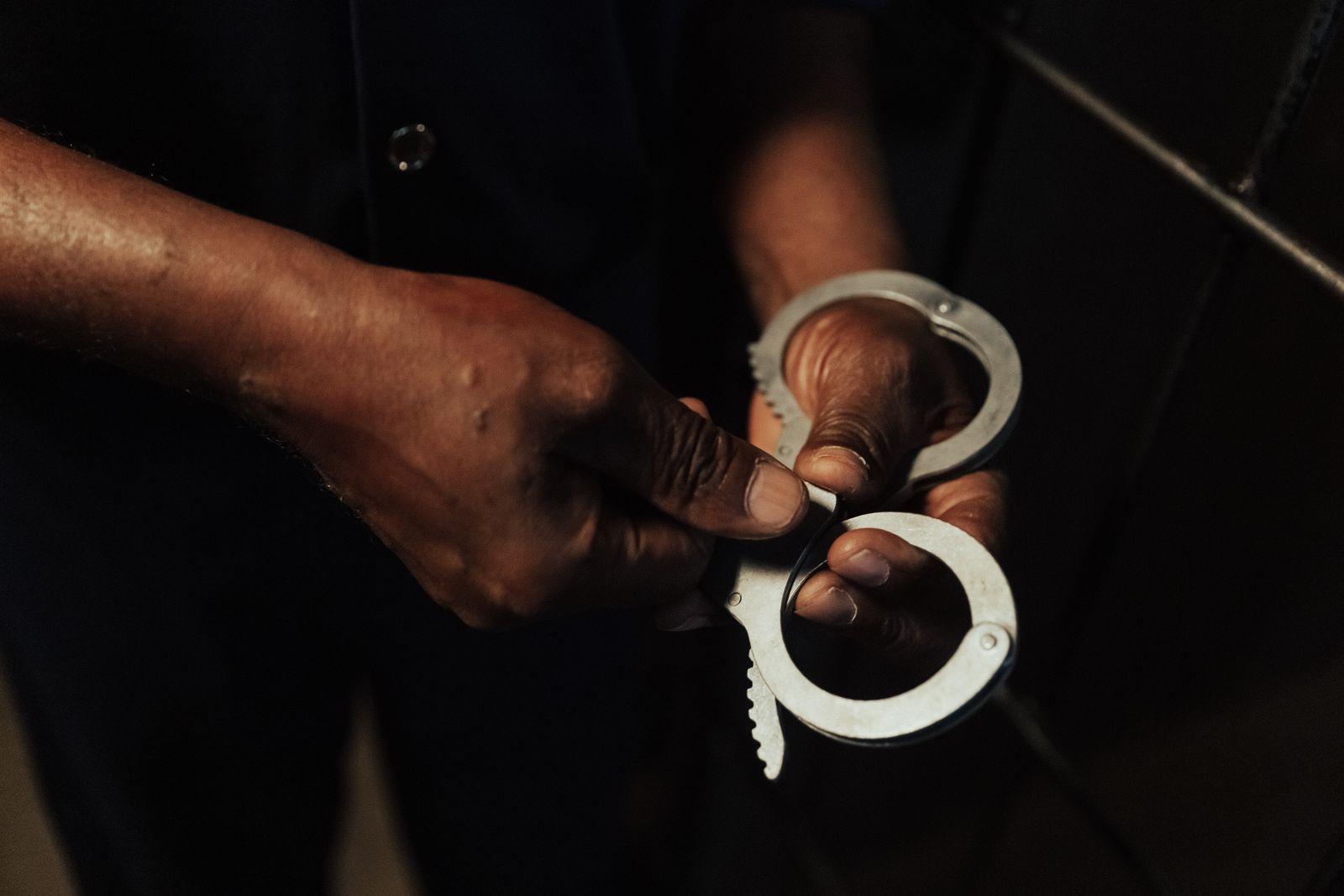
For the person who has been wronged: getting a complaint properly recorded and pursuing it once it is.
Criminal Law
A complainant's difficulties are usually practical before they are legal. An FIR is not being registered; it has been registered in terms that leave out what actually happened; or it has been registered and nothing appears to be moving. Each of those has a route, and the routes are different.
Where the police do not act on information about a cognizable offence, the law provides steps that can be taken with the senior officer and, failing that, before the Magistrate. Separately, certain matters can be taken directly to a Magistrate as a private complaint without going through the police at all. Choosing between these is the first decision, and it depends on what is alleged and on what has already been tried.
Who this may assist
If your situation is not listed, it does not mean it cannot be dealt with. It means it should be discussed.
Information has been given about a cognizable offence and nothing has been recorded.
An FIR exists but omits material allegations or persons.
An FIR was registered some time ago and the investigation appears not to be progressing.
The allegations are of a kind that can be taken directly before a Magistrate.
Scope
Process
The sequence varies with the facts and the forum. This is the usual shape of it.
Dates, places, persons and what each is said to have done. Vague information produces vague investigation.
Whether the facts disclose a cognizable offence, and under which of the applicable codes given when the events occurred.
Information to the police, escalation to a senior officer, an application to the Magistrate, or a private complaint.
Documents, photographs, medical records, messages and witness details are placed with the complaint rather than promised later.
Attendance at the complainant's examination, responses at the stage of the final report, and assistance during trial.
Preparation
Bringing what you have makes the first discussion considerably more useful. Missing items can be obtained later.
Cautions
See also
The practice
Each advocate of the firm is enrolled with the Bar Council of Uttar Pradesh and holds a Certificate of Practice.
Questions
There is a route: information can be sent in writing to the senior officer of the district, and if that does not produce action, an application can be made to the Magistrate. Which is appropriate depends on what has already been done, and keeping written proof of each step is what makes the next one possible.
Where an offence is not committed within the local limits of the police station approached, information can still be recorded there and transferred to the police station having jurisdiction. It exists so that a complainant is not turned away on the ground of territory alone.
Not necessarily. A complainant is generally entitled to be heard before the report is accepted, and a protest petition can be filed. The time for doing so is limited in practice, so the report should be taken up promptly.
The prosecution is conducted by the State, but a complainant frequently benefits from separate assistance — in ensuring documents reach the record, in responding at the stage of the final report, and in appearing where the court permits.
Where the firm works
The firm's office is in Lucknow. Matters arising in other districts of Uttar Pradesh are conducted from Lucknow before the court, tribunal or authority that has jurisdiction over them. There is no branch office elsewhere. Which forum will hear a particular matter depends on its subject, its value and where the cause of action arose, and is confirmed before anything is filed.
This page is general information about an area of practice. It is not legal advice, and it is not an advertisement or a solicitation of work. Reading it creates no advocate–client relationship.
Procedures, limitation periods, court fees, stamp duty and government charges change, and what applies depends on the facts of the particular matter. Nothing here should be acted on without advice on your own documents, and no outcome is promised or predicted.
Last reviewed:
Contact
Write to the office with a short description of the matter, or telephone during working hours.
Please read before continuing
The full terms are set out in the disclaimer.