
Advocate Mohammad Kamran
- 10+ Years of Legal Experience
- Enrolled with the Bar Council of Uttar Pradesh
- Certificate of Practice holder
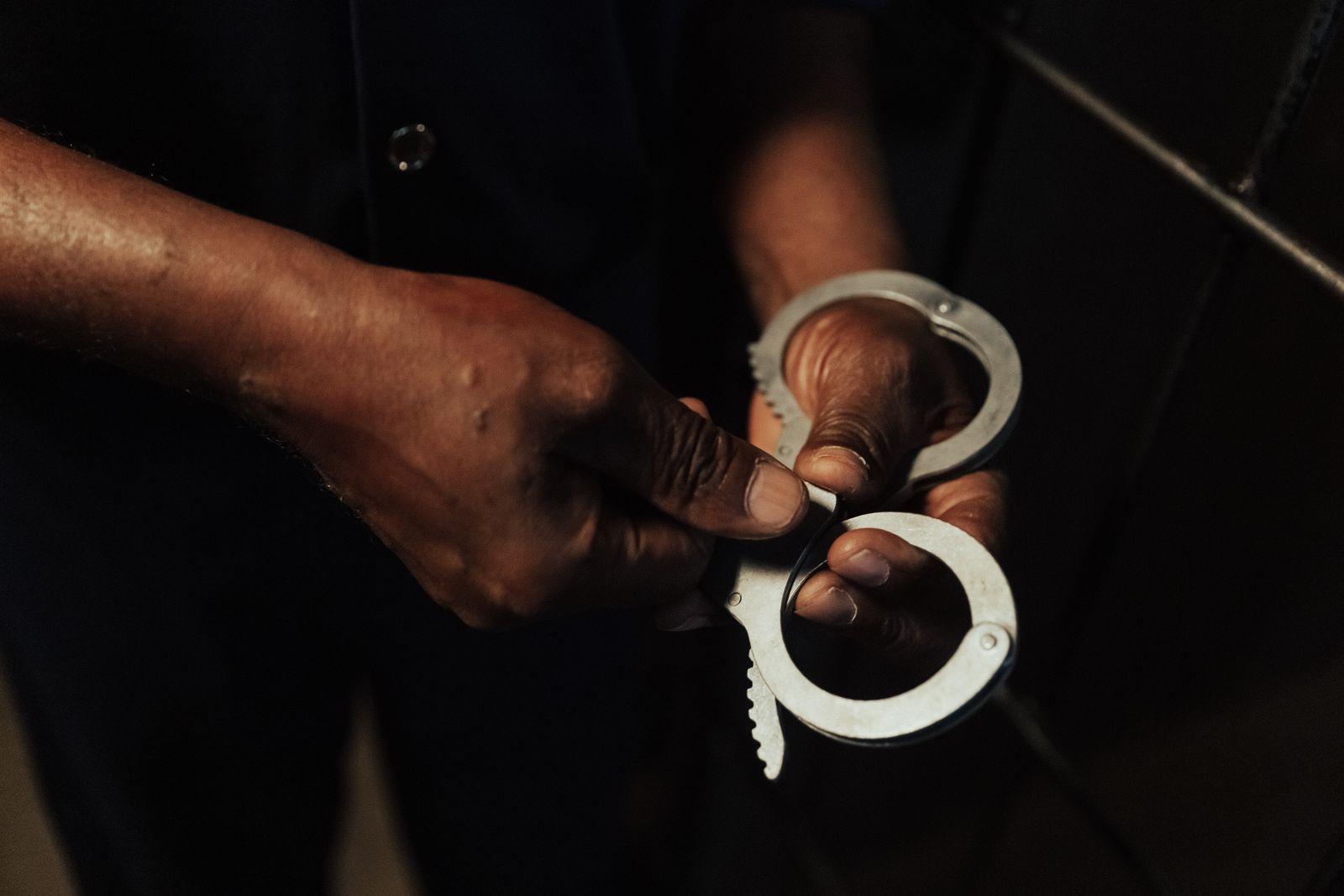
Representation for a person under investigation or facing trial, from the investigation stage through to appeal.
Criminal Law
A criminal case has a shape that is worth understanding before decisions are taken in it. Information about a cognizable offence is recorded, the police investigate, a report is filed before the Magistrate, charges are framed if the court finds material to proceed, prosecution evidence is recorded, the accused is examined, defence evidence may be led, and judgment follows. Each of those stages has its own opportunities and its own risks.
The work on this page is general criminal defence. Bail, quashing of an FIR and private complaints are dealt with separately, on the pages linked below, because each of them raises a distinct question that a general page cannot answer usefully.
Who this may assist
If your situation is not listed, it does not mean it cannot be dealt with. It means it should be discussed.
An FIR has been registered and you need to understand what is alleged and what follows.
A summons or warrant has been issued and appearance has to be arranged properly.
Charges have been framed and the matter is proceeding to evidence.
An appeal or revision is being considered, either against a conviction or against an acquittal.
Scope
Process
The sequence varies with the facts and the forum. This is the usual shape of it.
The FIR or complaint is read in full, along with any notice, summons or order already served.
Whether the matter falls under the Bharatiya Nyaya Sanhita, 2023 and the Bharatiya Nagarik Suraksha Sanhita, 2023, or under the earlier codes, depending on when the offence is said to have occurred.
Where arrest is a live possibility, the bail position is dealt with before anything else, because it governs everything that follows.
Documents, call records, attendance records and witnesses are gathered and assessed while they are still available.
Appearance on dates, applications as required, and cross-examination and evidence at trial.
Preparation
Bringing what you have makes the first discussion considerably more useful. Missing items can be obtained later.
Cautions
See also
The practice
Each advocate of the firm is enrolled with the Bar Council of Uttar Pradesh and holds a Certificate of Practice.
Questions
An FIR in a cognizable case is ordinarily available to the person named in it, and copies can be obtained through the prescribed route. If it is not being supplied, that itself can be taken up. Obtain it as early as possible, because everything that follows is read against it.
A person may be required to attend in connection with an investigation, and there are provisions governing how and when that is done, along with safeguards. Whether and how you should attend is a question to put to an advocate first, with the notice in hand.
It varies widely with the offence, the number of witnesses and the court's list, and it cannot responsibly be predicted at the outset. What can be set out is the sequence of stages and what each one will require from you.
A police case begins with information recorded by the police, who investigate and file a report. A complaint case is initiated directly before a Magistrate by the complainant. The procedure differs from the start, and so does what the complainant has to do.
Where the firm works
The firm's office is in Lucknow. Matters arising in other districts of Uttar Pradesh are conducted from Lucknow before the court, tribunal or authority that has jurisdiction over them. There is no branch office elsewhere. Which forum will hear a particular matter depends on its subject, its value and where the cause of action arose, and is confirmed before anything is filed.
This page is general information about an area of practice. It is not legal advice, and it is not an advertisement or a solicitation of work. Reading it creates no advocate–client relationship.
Procedures, limitation periods, court fees, stamp duty and government charges change, and what applies depends on the facts of the particular matter. Nothing here should be acted on without advice on your own documents, and no outcome is promised or predicted.
Last reviewed:
Contact
Write to the office with a short description of the matter, or telephone during working hours.
Please read before continuing
The full terms are set out in the disclaimer.