
Advocate Mohammad Kamran
- 10+ Years of Legal Experience
- Enrolled with the Bar Council of Uttar Pradesh
- Certificate of Practice holder
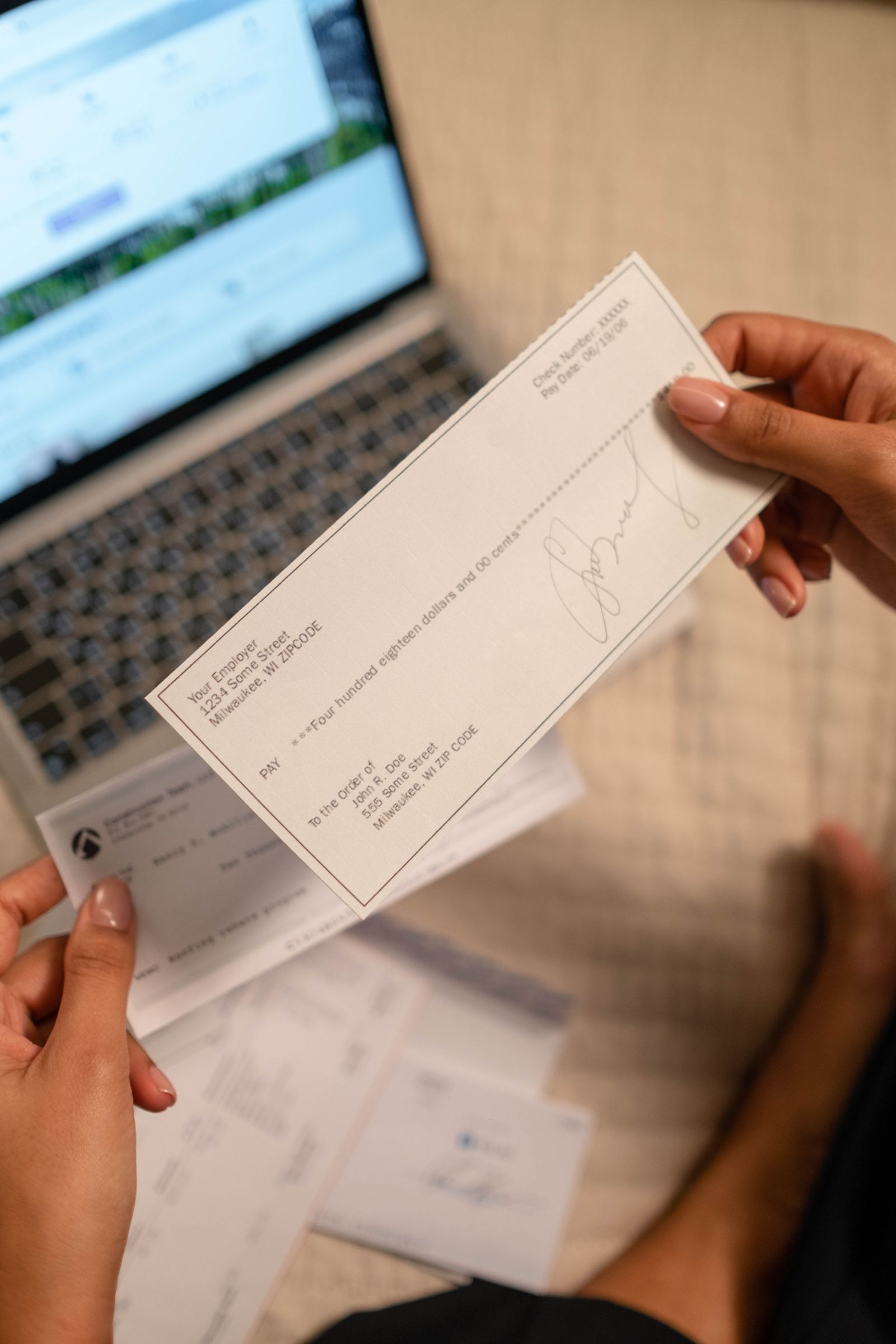
For the payee: pursuing a dishonoured cheque from the demand notice through to the complaint and trial.
Cheque Bounce and Recovery
When a cheque is returned unpaid for want of funds or because it exceeds the arrangement with the bank, the payee has a remedy under section 138 of the Negotiable Instruments Act, 1881 — but only if a sequence of steps is followed in order and within time. The bank's return memo starts the clock, and everything after it is counted from documents rather than from memory.
The Act works with presumptions that favour the holder of the cheque, which is what makes the remedy useful. Those presumptions are rebuttable, so the complaint still has to be built on a clear record of what the cheque was issued for. Complaints are tried summarily, and provisions introduced in 2018 allow a court in appropriate cases to direct interim compensation while the matter is pending.
Who this may assist
If your situation is not listed, it does not mean it cannot be dealt with. It means it should be discussed.
A cheque received against invoices has been returned unpaid.
A cheque given towards repayment or against a sale has been dishonoured.
Cheques towards rent or fees have been returned.
The demand notice was served and the fifteen-day period has passed without payment.
Scope
Process
The sequence varies with the facts and the forum. This is the usual shape of it.
The date of the memo and the reason for return are examined, since both affect whether the section applies and when the period begins.
Thirty days from receipt of intimation of dishonour for the notice, fifteen days for the drawer to pay, and one month from the end of that period to file. Dates are worked out on your papers.
The notice has to identify the cheque, the amount and the liability clearly, and demand payment. A defective notice is a recurring cause of failure.
Despatch records, tracking and acknowledgement are preserved, because service of the notice is routinely disputed.
Before the court having jurisdiction by reference to the bank branch where the cheque was presented, followed by the complainant's examination and trial.
Preparation
Bringing what you have makes the first discussion considerably more useful. Missing items can be obtained later.
Cautions
See also
Reading
General information notes on this area. They are not legal advice.
The practice
Each advocate of the firm is enrolled with the Bar Council of Uttar Pradesh and holds a Certificate of Practice.
Questions
The section is framed around dishonour for insufficiency of funds or because the amount exceeds the arrangement. Other reasons for return have been the subject of considerable litigation and the position depends on the facts and the reason recorded. The return memo should be examined before any step is taken.
The Act provides for imprisonment, or a fine calculated by reference to the amount of the cheque, or both, and for compensation. The maximum the provision allows should be confirmed against the section as it currently stands rather than taken from a note, and what is ordered in a particular matter is for the court. No outcome can be promised.
Not usually every date, since these matters are tried summarily and appearance is generally through the advocate. Your presence is required at certain stages, most importantly when your evidence is recorded.
Yes, and settlement is common in these matters. A settlement can be placed before the court and recorded, which is preferable to an informal arrangement that later has to be proved.
Where the firm works
The firm's office is in Lucknow. Matters arising in other districts of Uttar Pradesh are conducted from Lucknow before the court, tribunal or authority that has jurisdiction over them. There is no branch office elsewhere. Which forum will hear a particular matter depends on its subject, its value and where the cause of action arose, and is confirmed before anything is filed.
This page is general information about an area of practice. It is not legal advice, and it is not an advertisement or a solicitation of work. Reading it creates no advocate–client relationship.
Procedures, limitation periods, court fees, stamp duty and government charges change, and what applies depends on the facts of the particular matter. Nothing here should be acted on without advice on your own documents, and no outcome is promised or predicted.
Last reviewed:
Contact
Write to the office with a short description of the matter, or telephone during working hours.
Please read before continuing
The full terms are set out in the disclaimer.